

 CN
CN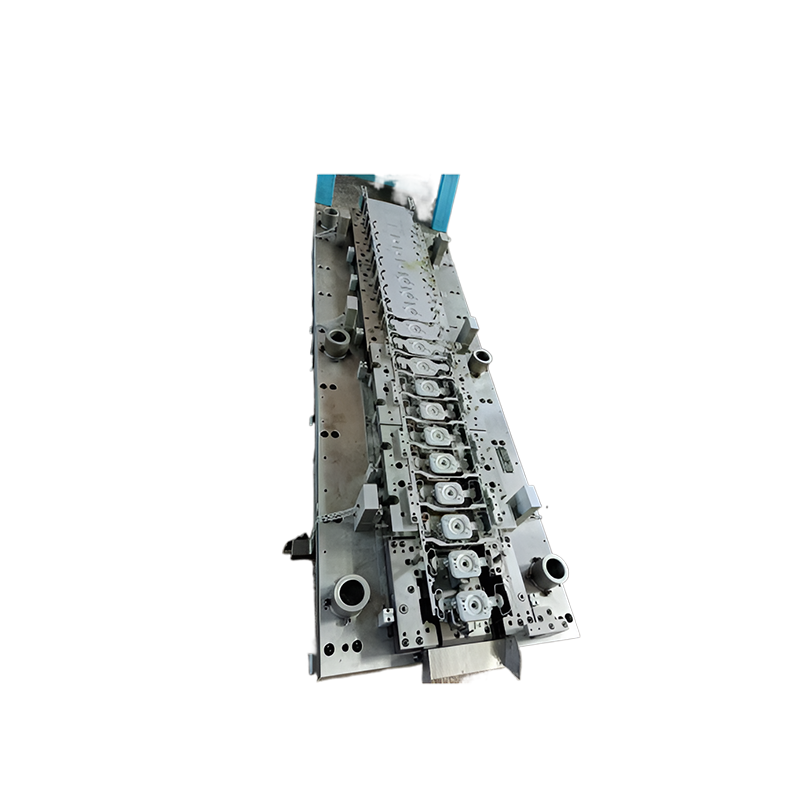
 Click:410
 Time:2026-02-17
D2 vs. M2 Steel: Which is Better for High-Volume Automotive Stamping Dies?
In the competitive landscape of automotive manufacturing, die durability directly impacts the bottom line. For high-volume components like seat rails, choosing between D2 and M2 tool steel is a critical decision that affects maintenance frequency, part quality, and overall production costs.
At a Glance: D2 vs. M2 Performance
| Property | D2 Tool Steel | M2 High-Speed Steel |
|---|---|---|
| Wear Resistance | High (Abrasive) | Superior (Abrasive & Adhesive) |
| Toughness | Moderate | High |
| Red Hardness | Low | Exceptional |
Why M2 Wins in Automotive Seat Rail Stamping
Modern automotive seat rails are increasingly manufactured using High-Strength Low-Alloy (HSLA) steels. While D2 is a reliable cold-work steel, it often falls short under the thermal and physical stress of high-speed progressive stamping.
1. Superior Red Hardness
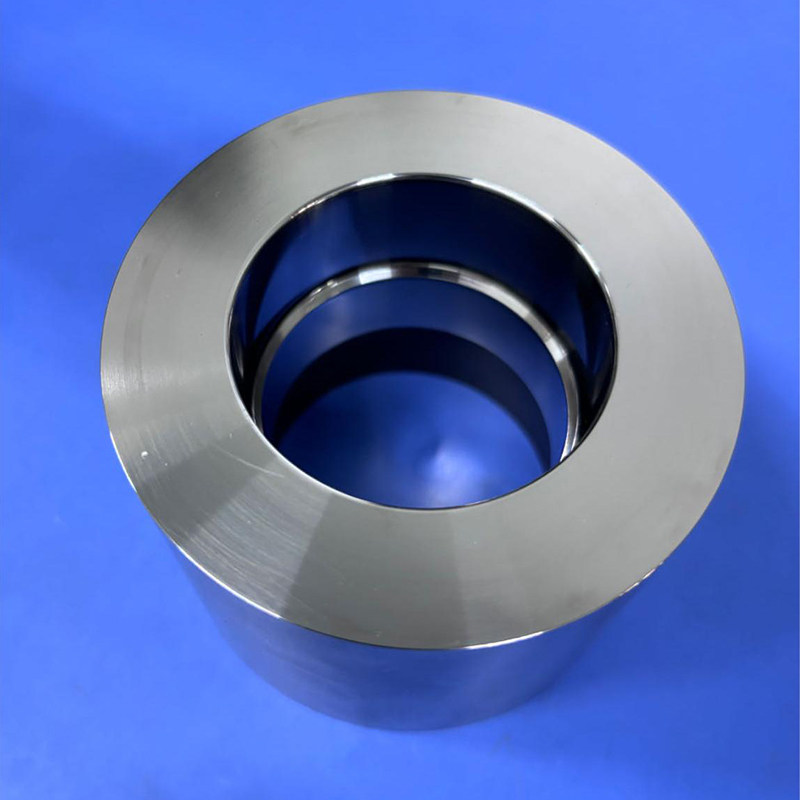
As stamping speeds increase, friction generates significant heat at the cutting edge. M2 steel (a Tungsten-Molybdenum High-Speed Steel) maintains its hardness at elevated temperatures, preventing the edge softening that often leads to burrs in D2 dies.
2. Resistance to Adhesive Wear
Seat rail stamping involves complex forming stages. M2 steel's fine carbide distribution reduces the risk of "galling" or adhesive wear, ensuring that the symmetry of Left and Right (L & R) rails remains within strict micron tolerances over hundreds of thousands of cycles.
Case Study: Extending Die Life by 40%
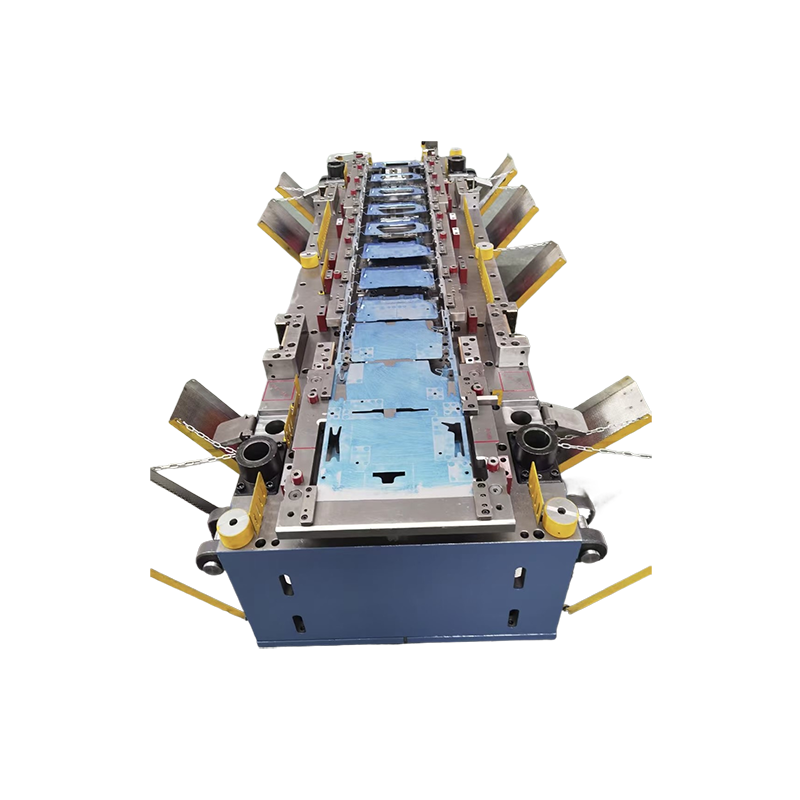
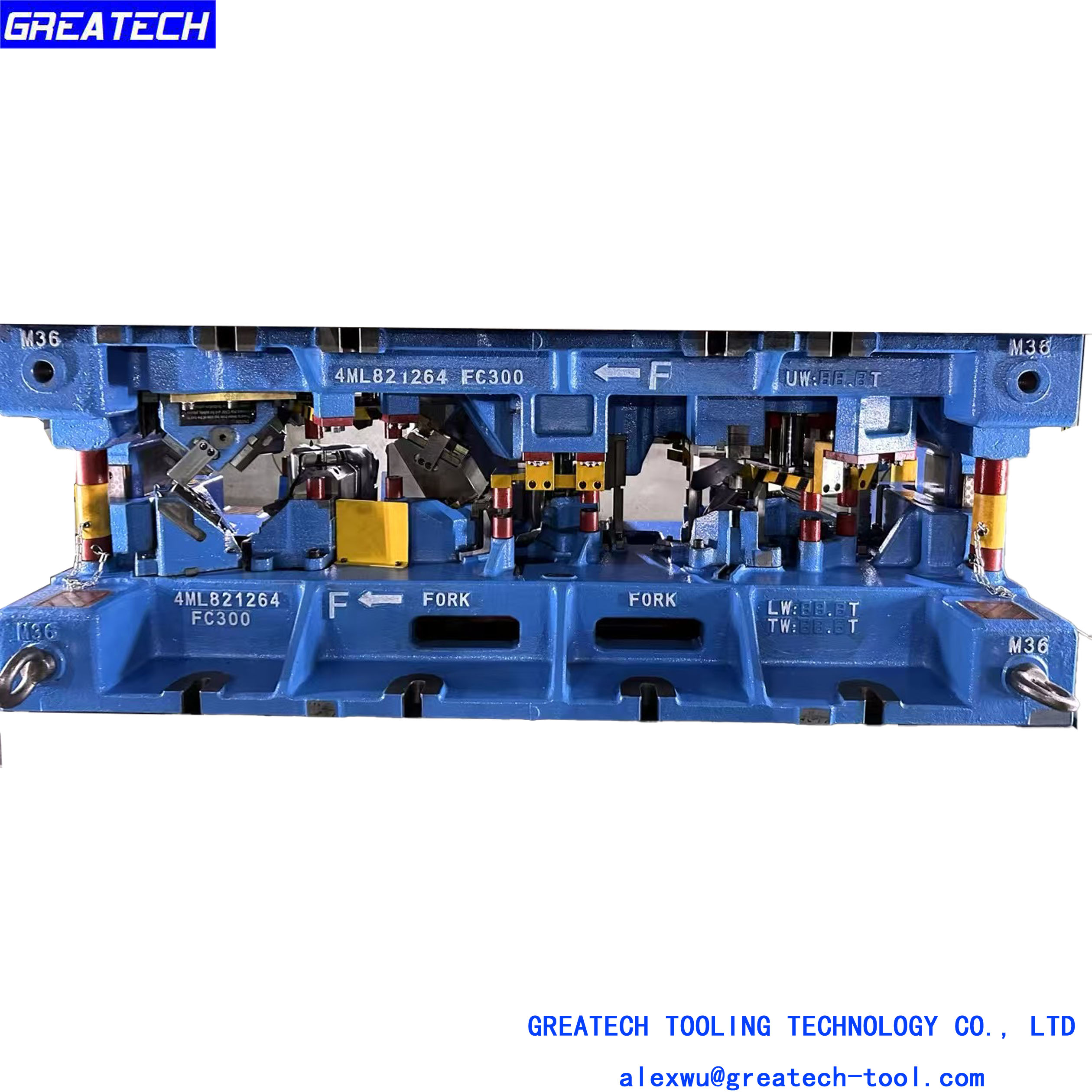
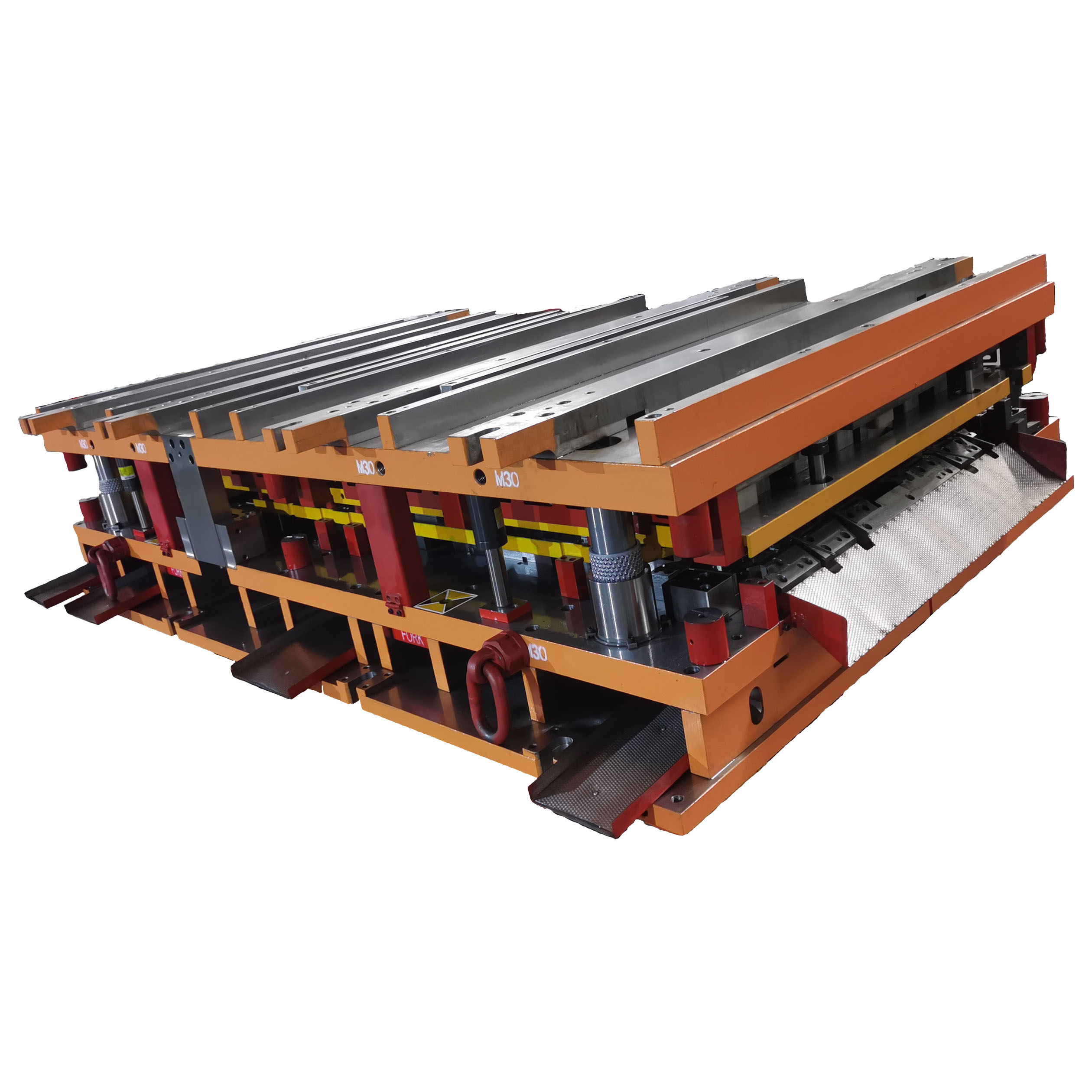
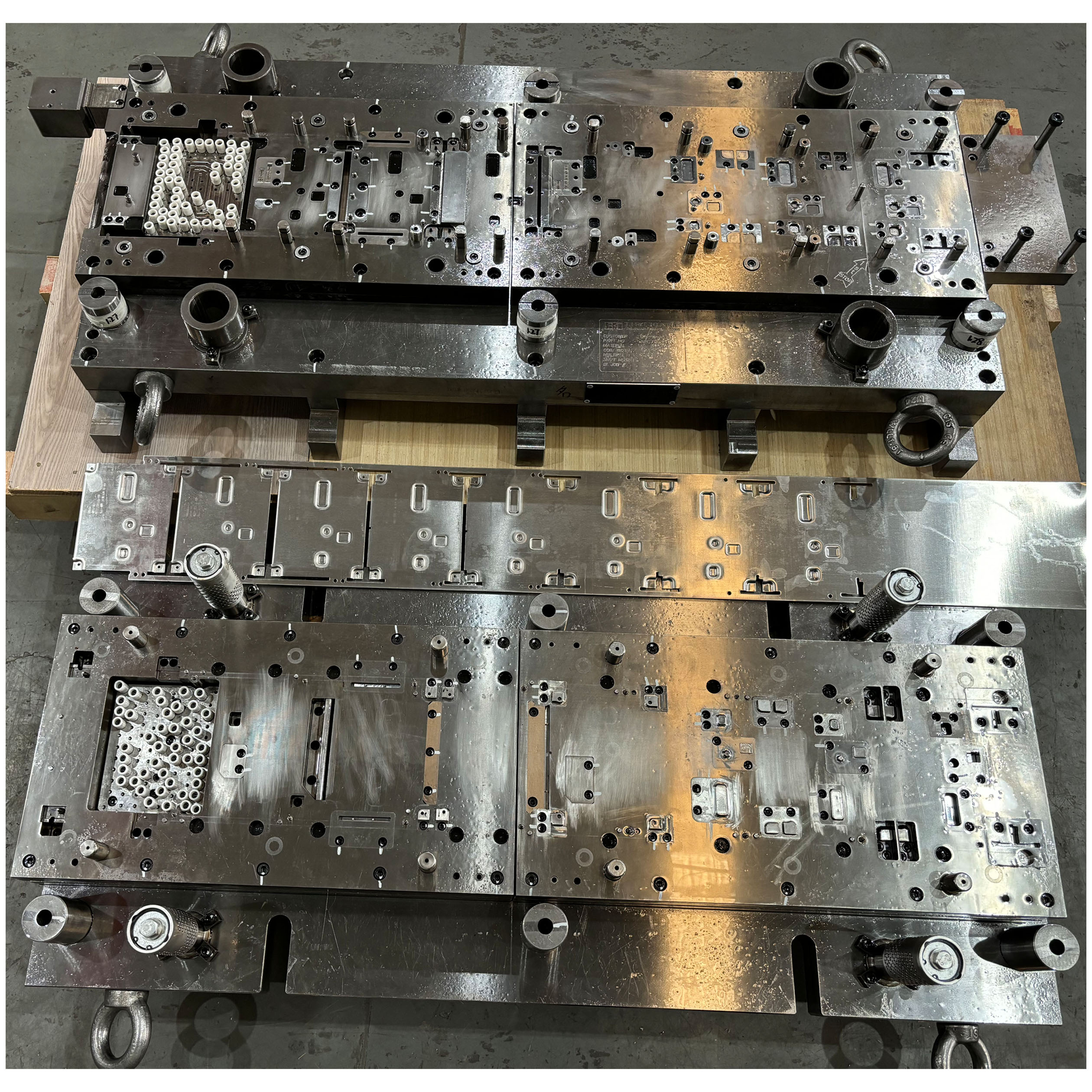
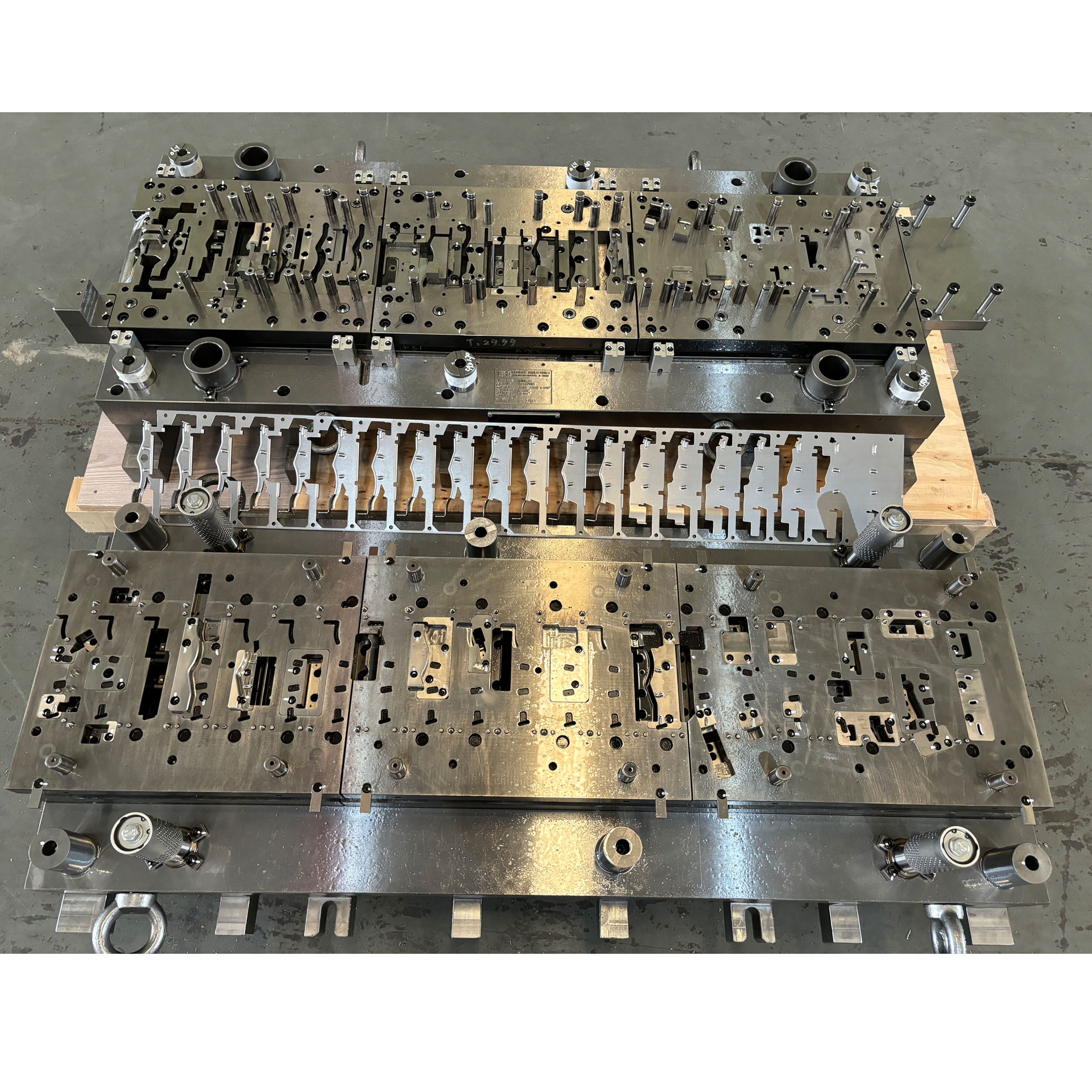
At GREATECH, we recently transitioned a Tier-1 automotive supplier's seat rail project from D2 to M2 Steel Progressive Dies. The result? A 40% reduction in regrinding frequency and improved dimensional consistency for their L & R rail assemblies.
Conclusion
While M2 steel has a higher initial material cost than D2, the Total Cost of Ownership (TCO) is significantly lower for high-volume automotive projects due to reduced downtime and longer tool life.


 Home
Home Capabilities
 Online