The Essential Guide to Precision Tool and Die Design for High-Performance Manufacturing
In the world of high-volume production, the difference between a successful product launch and a costly failure often lies in a few microns.
Precision tool and die engineering is the silent engine driving the automotive, electronics, and medical industries.
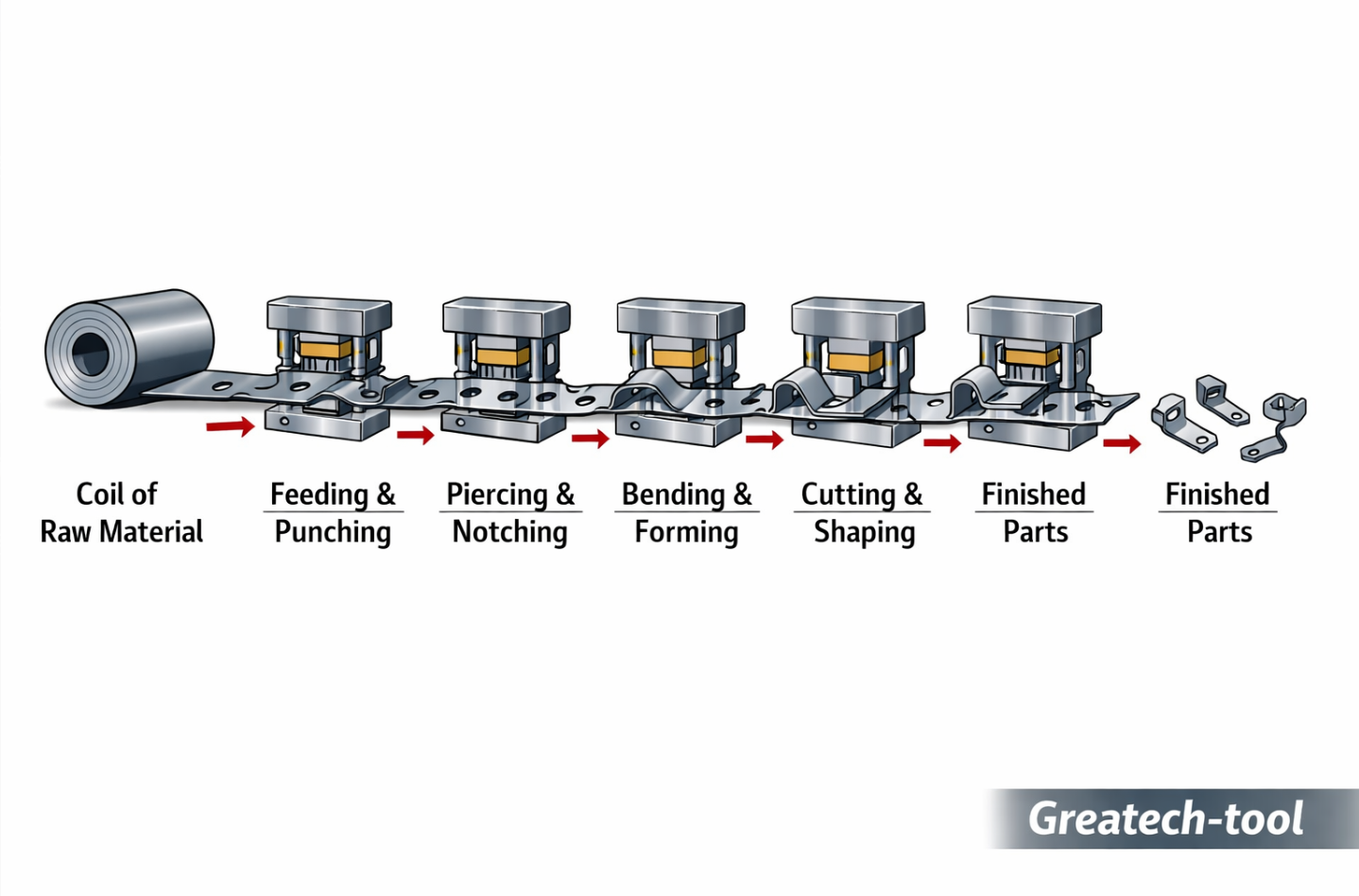
At Greatech, we don't just build tools; we engineer reliability. This guide explores how precision toolmaking optimizes production efficiency and product quality.
What Defines "Precision" in Tool and Die Making?
Traditional toolmaking focuses on functionality, but precision toolmaking focuses
on consistency and longevity.
In modern manufacturing, precision means:
Micro-Tolerances: Achieving accuracy down to $\pm 0.005mm$ or even $\pm 0.002mm$.
Complex Geometries: Creating intricate shapes in thin-gauge materials that standard dies cannot handle.
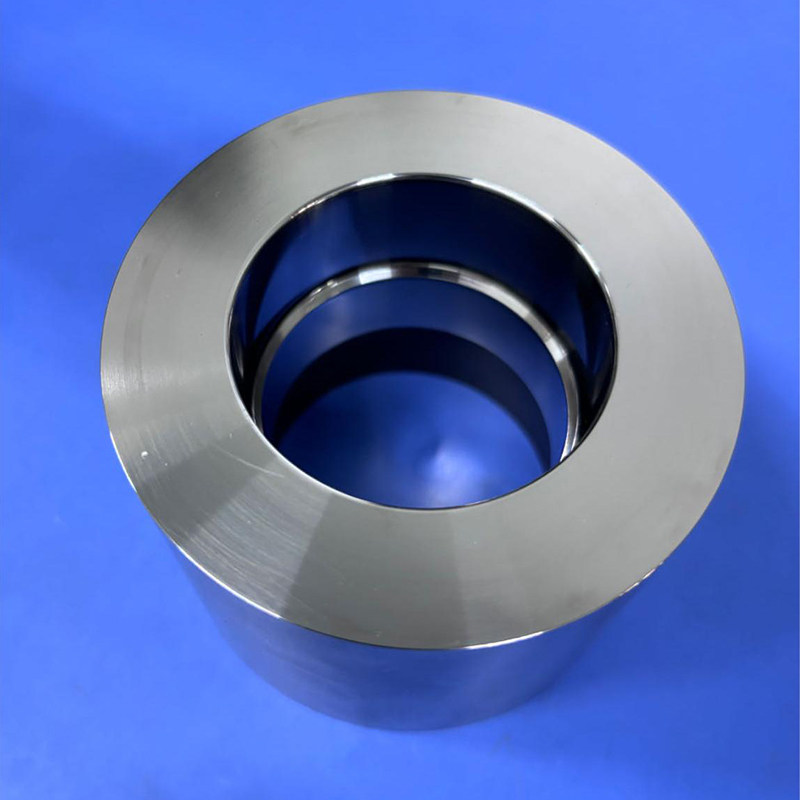
Material Integrity: Selecting the right tool steel (like D2, SKD11, or Tungsten Carbide) to withstand millions of cycles without deformation.
Key Factors in Professional Die Design
To ensure a tool performs flawlessly on the press, our engineering team focuses on three core pillars:
1. Advanced Material ScienceChoosing the right steel is critical for the die's life cycle. For high-abrasion applications, we often recommend Carbide inserts, while D2 or M2 steel provides excellent toughness for heavy-duty stamping.
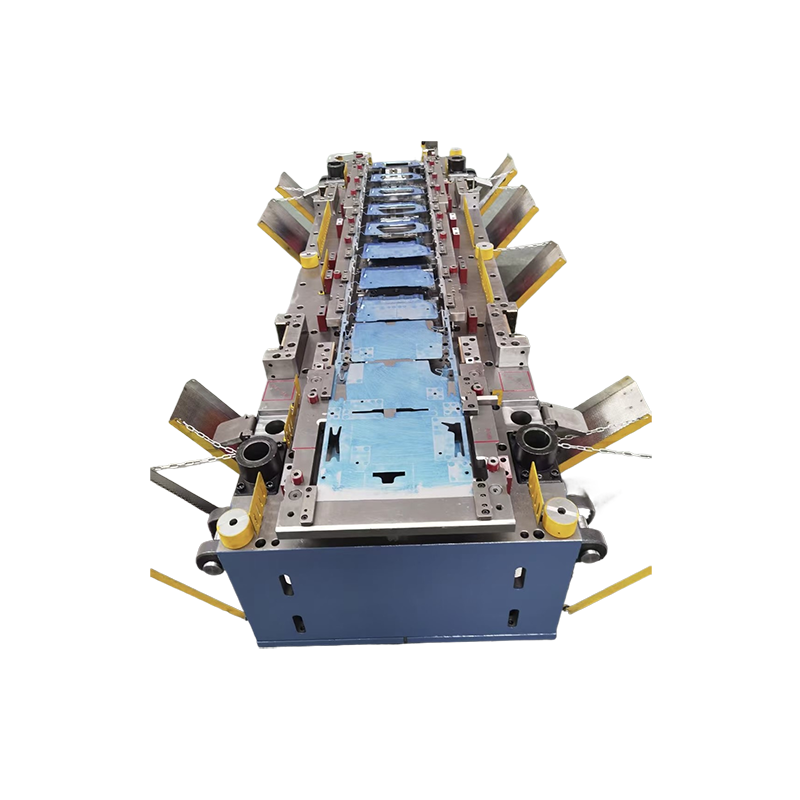
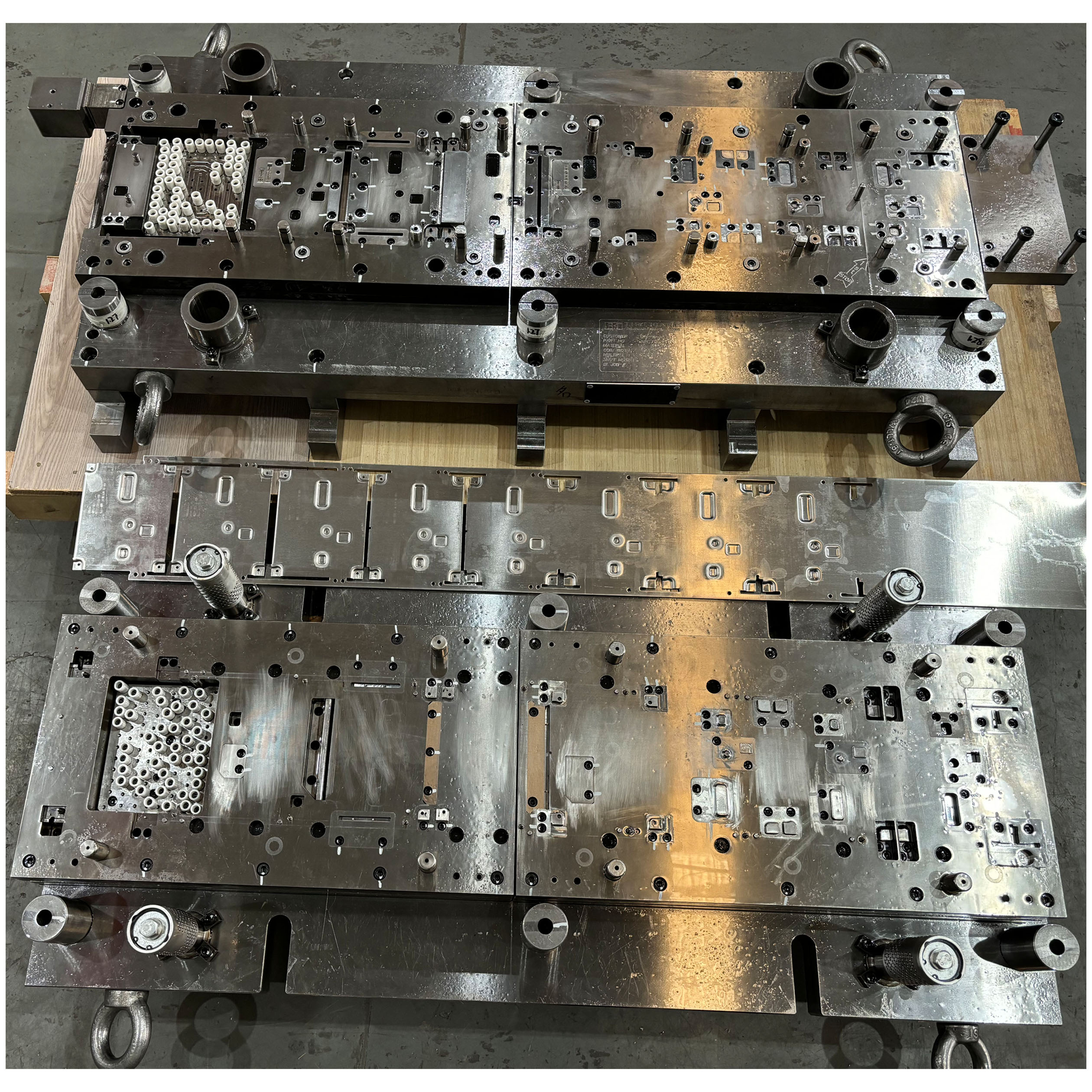
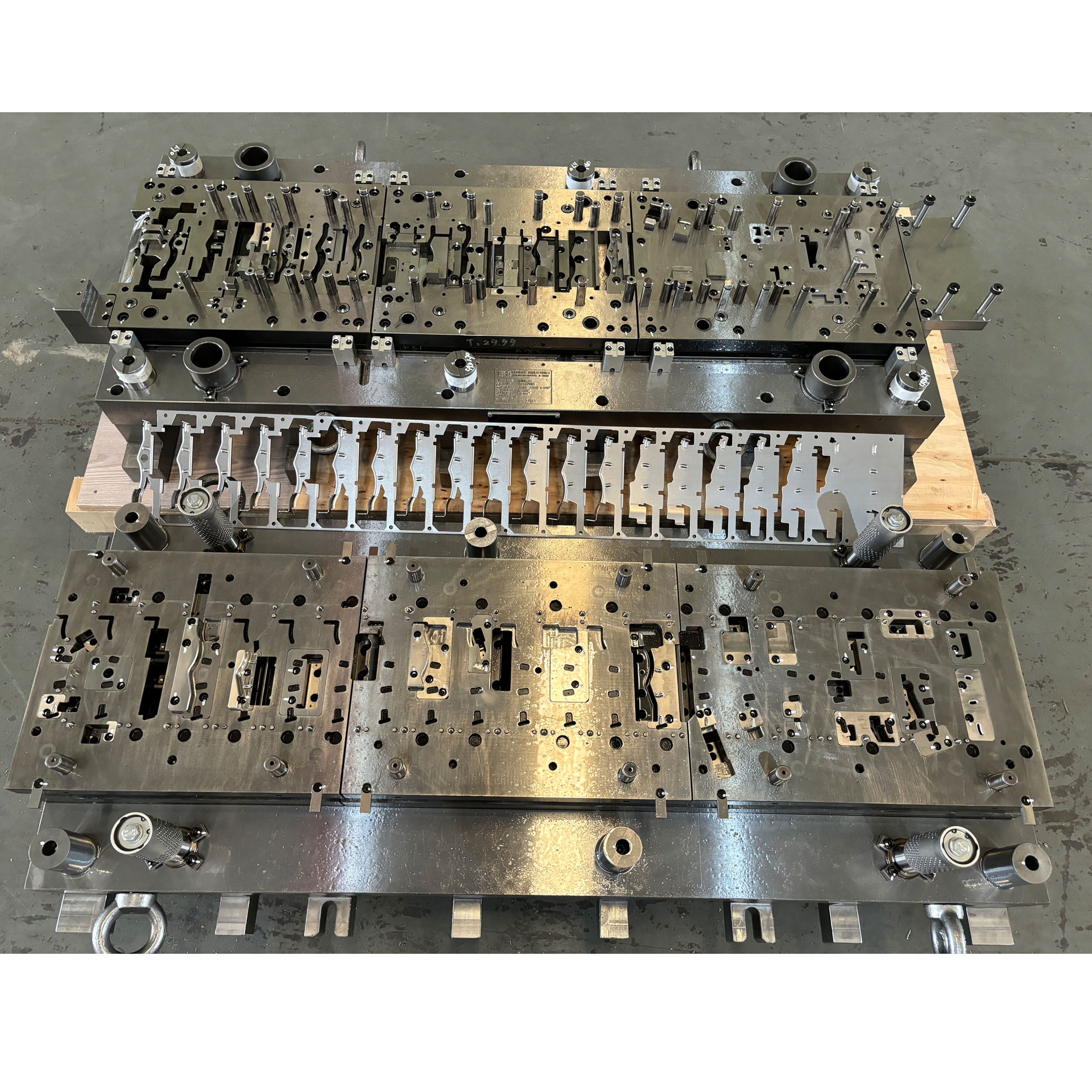
2. Progressive Die LogicFor complex parts, a Progressive Die is the most efficient solution. It performs multiple operations—punching, coining, and bending—at different stations within a single stroke, significantly reducing labor costs and increasing throughput.
3. Thermal Stability and Friction ManagementPrecision dies generate heat. Our designs incorporate specialized cooling channels and surface coatings (like TiN or PVD) to reduce friction and prevent galling.
Quality Assurance: Measuring Excellence
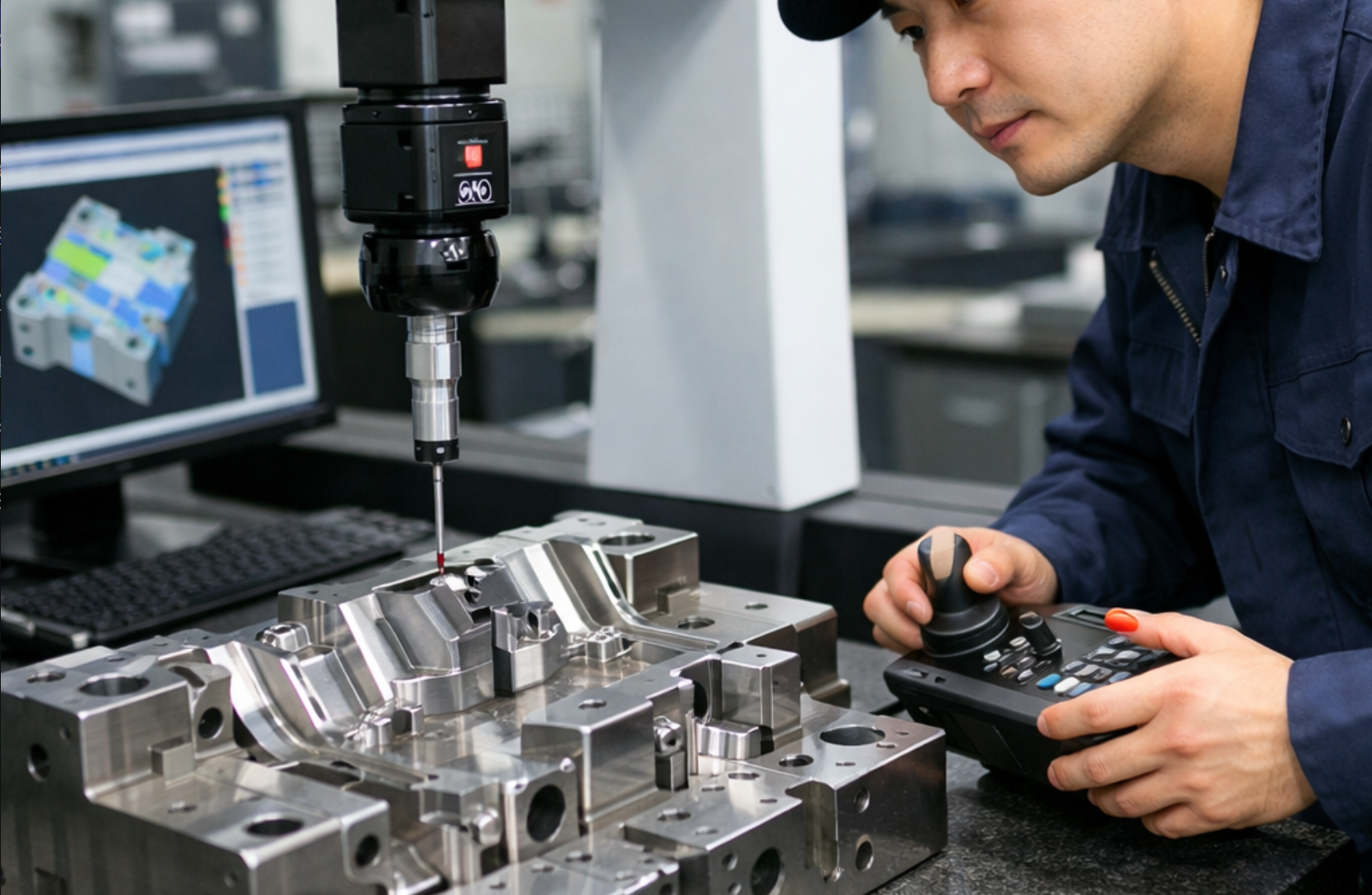
A precision tool is only as good as its verification. At Greatech, every component undergoes a rigorous inspection process:
CMM Inspection: 3D Coordinate Measuring Machines verify every dimension against the CAD model.
Optical Comparators: For inspecting micro-features and edge profiles.
Trial Runs (T1 to T-Final): We don't ship a die until the sample parts meet 100% of your specifications.
Frequently Asked Questions (FAQ)
Q1: What is the typical lifespan of a Greatech precision die?
A: Depending on the material being stamped and the tool steel used, our dies are designed for 500,000 to over 5,000,000 strokes with proper maintenance.
Q2: Can you handle design changes after the die is built?
A: Yes. We design our tools with modular inserts, allowing for easier adjustments or replacements without rebuilding the entire die set.
Q3: Which industries do you primarily serve?
A: We specialize in high-precision components for
automotive connectors, semiconductor lead frames, and medical device housings.Conclusion: Partner with a Tooling Expert
Investing in high-quality precision tooling is an investment in your company’s reputation. By reducing downtime and scrap rates, a well-engineered die pays for itself in a matter of months.
Ready to elevate your manufacturing precision?
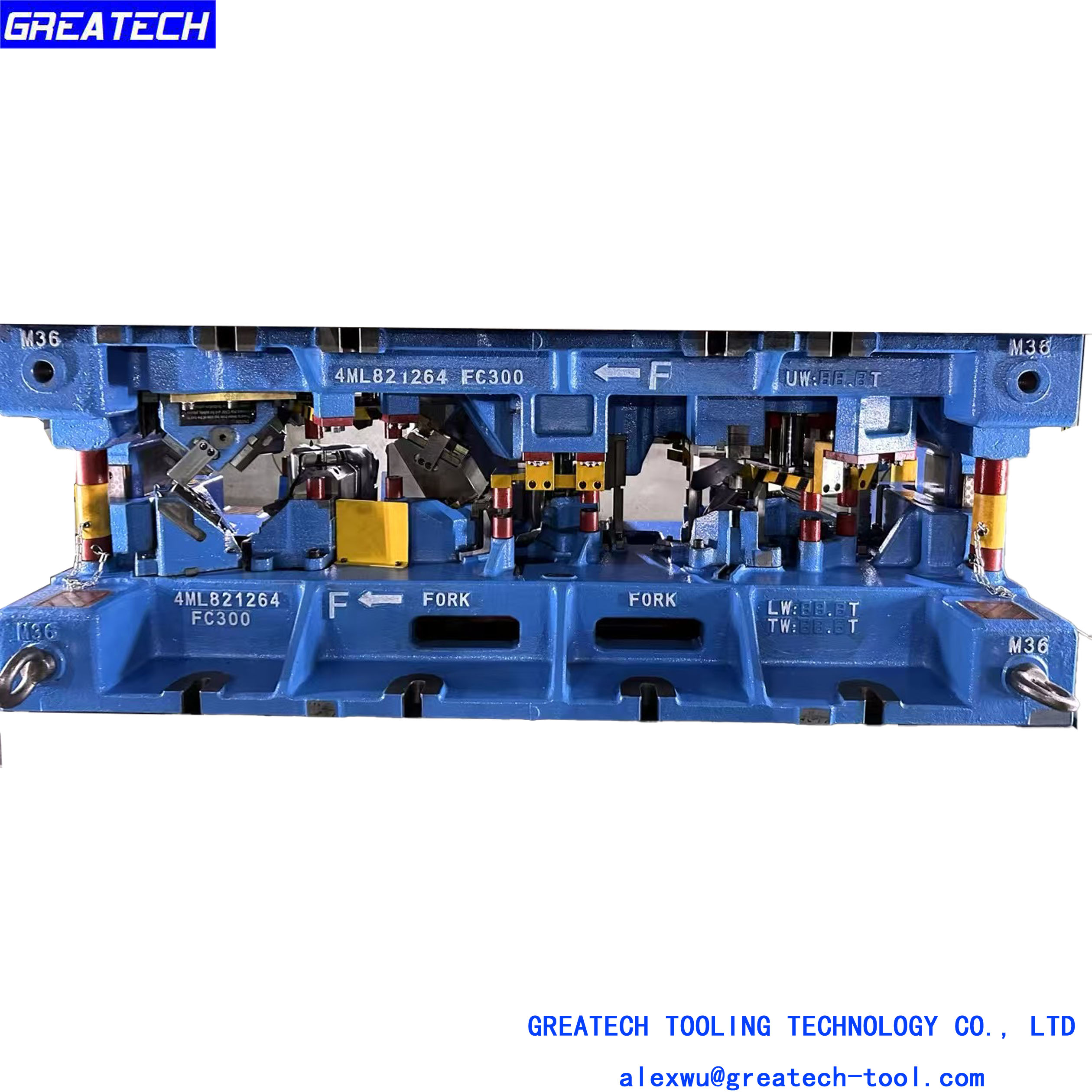
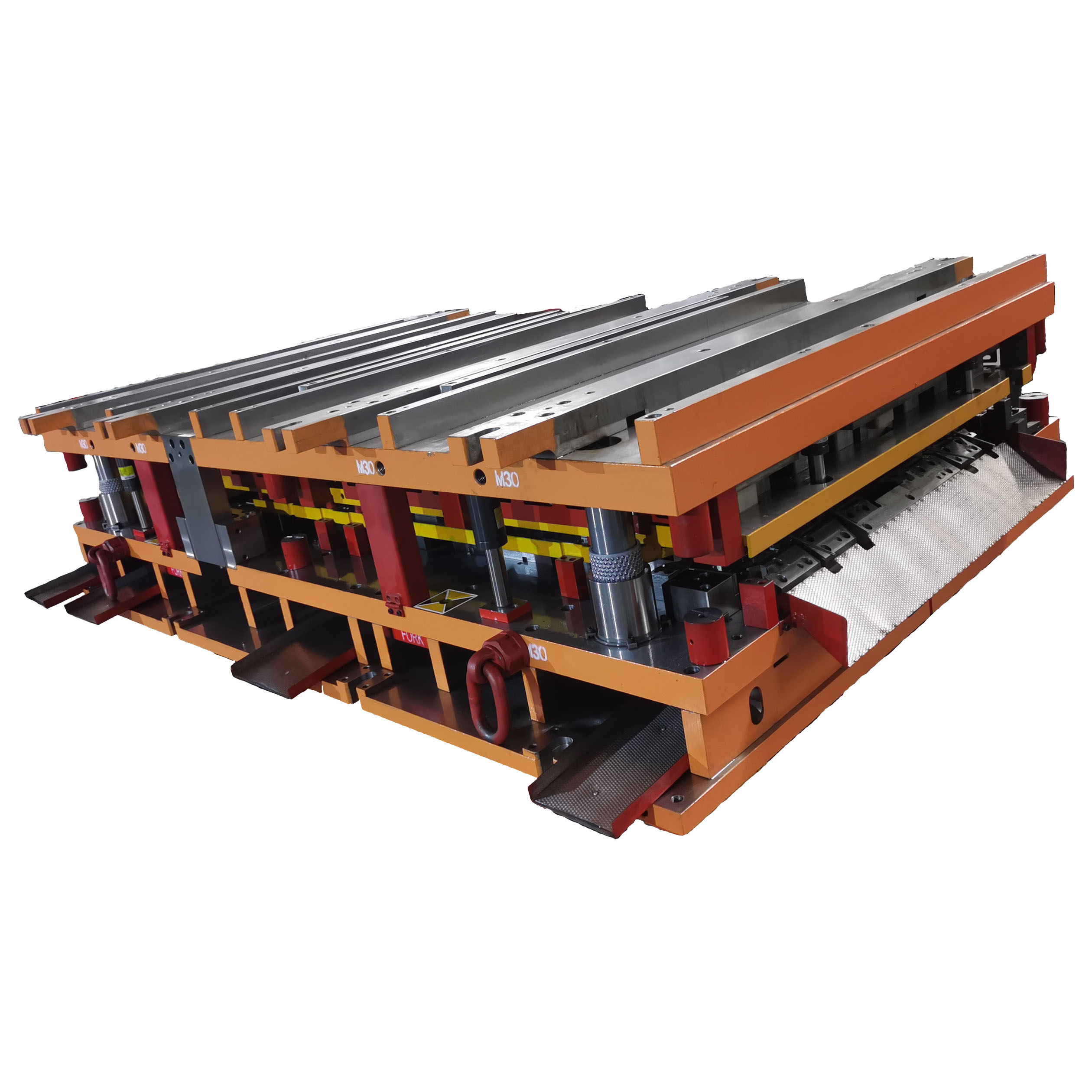
Visit our Precision Tool and Die Gallery to see our latest projects or contact our engineering team for a free DFM (Design for Manufacturing) review.
[
Contact Greatech Now for a Free Quote]


 Click:476Edit: GREATECH TOOLING
 Time:2026-01-13


 CN
CN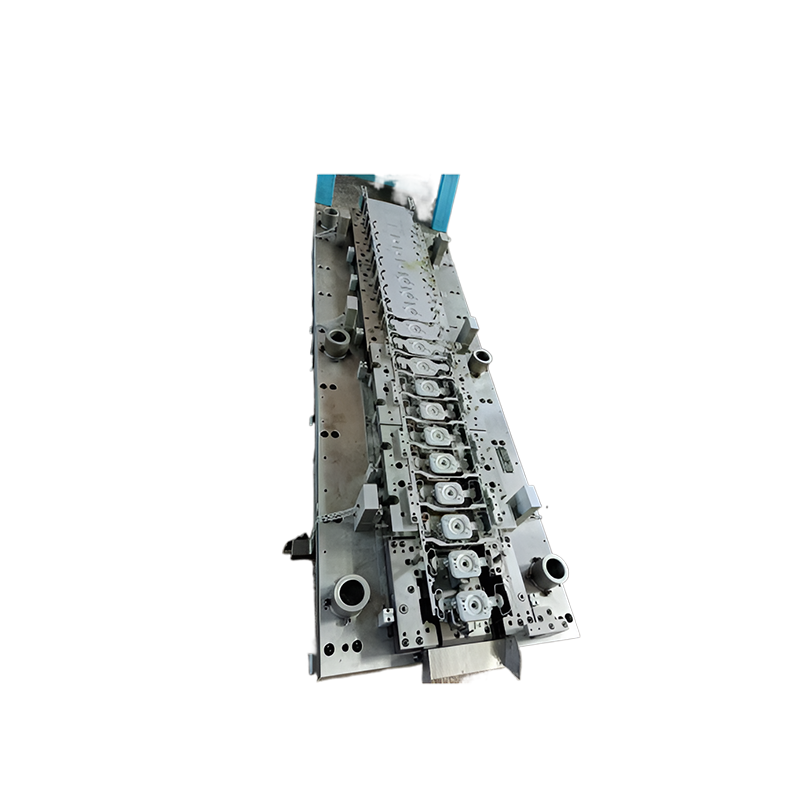
 Home
Home Capabilities
 Online